How to Choose the Right ETP Plant for a Textile Factory
Buying an effluent treatment plant is an important decision for any textile manufacturer. The wrong system can increase running expenses, require frequent repairs and fail to produce water of the required quality. Before choosing a supplier, factory owners should understand what their unit needs and what they are paying for.
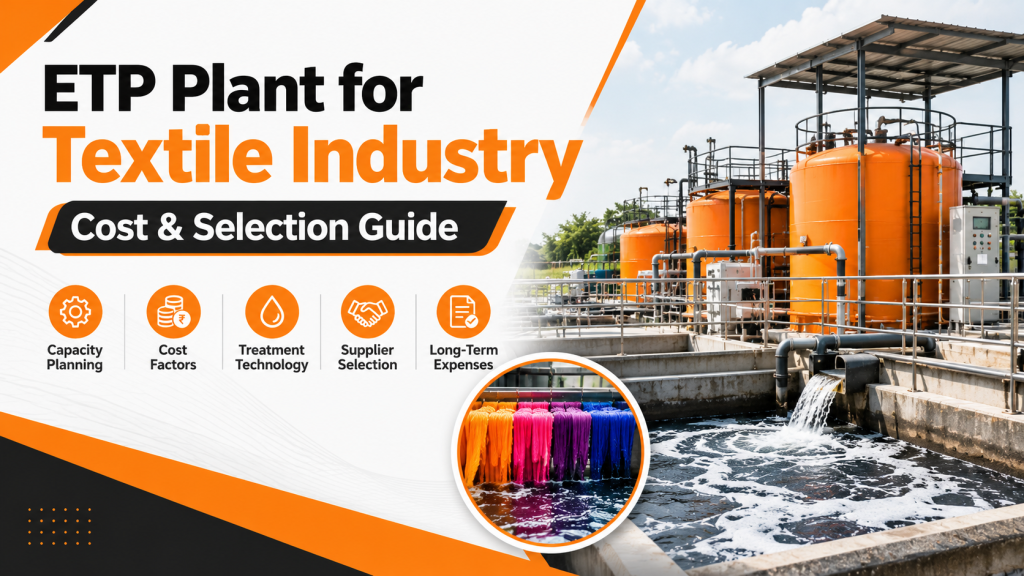
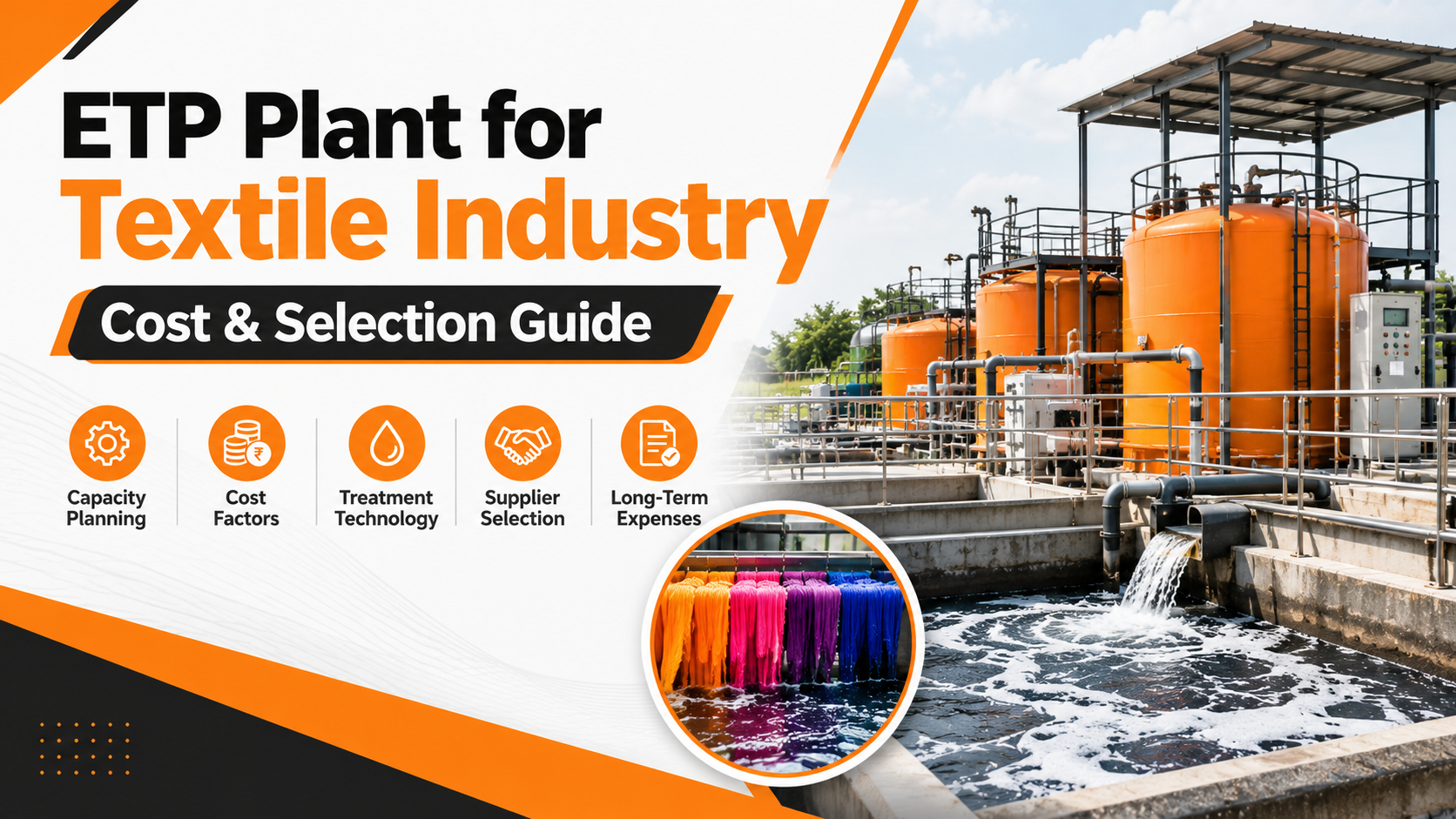
An ETP Plant for Textile Industry should be selected according to the factory's production process, wastewater volume, treatment targets and available budget. Comparing these details before placing an order can help avoid costly changes later.
1. Start With Your Factory's Actual Requirements
Before requesting quotations, prepare basic information about your textile operations. A dyeing unit, a fabric printing facility and a garment washing unit may produce very different wastewater.
Make a list of the processes carried out in your factory, the water consumed each day and the expected wastewater volume. If possible, arrange laboratory testing to identify the pollutants present.
This information gives suppliers a clear starting point. It also helps you compare proposals based on the same requirements instead of relying on different assumptions.
2. Choose the Correct Plant Capacity
The capacity of a textile effluent treatment plant is generally expressed in KLD, meaning kilolitres per day. One KLD represents 1,000 litres of wastewater per day.
However, daily volume is not the only factor that matters. A factory that releases wastewater in large batches may need a different tank arrangement from one that produces a steady flow throughout the day.
Before finalising capacity, consider:
- Average and peak wastewater generation.
- Daily production hours and shift timings.
- Changes expected during busy production periods.
- Planned expansion of the factory.
Avoid selecting a smaller plant simply to reduce the initial purchase price. At the same time, excessive capacity can increase equipment and operating costs without providing a useful benefit.
3. Understand What Determines ETP Plant Cost
The cost of an ETP plant for a textile factory cannot be determined by capacity alone. Two plants with the same KLD rating may have different prices because their wastewater requires different treatment methods.
The main cost factors include:
- Treatment requirements: Strong colour, high organic loads and dissolved salts may require additional treatment stages.
- Equipment and construction: Tanks, pumps, blowers, filters, electrical systems and civil work affect the project budget.
- Water reuse requirements: If treated water must be reused in production, additional filtration or membrane treatment may be needed.
- Automation: Control panels and monitoring equipment can affect the initial price and day-to-day operation.
- Waste handling: Sludge removal and the management of concentrated reject water can add to running expenses.
Ask suppliers to separate equipment costs, installation, commissioning and estimated operating expenses. This makes quotations easier to compare.
4. Compare Suppliers Beyond the Quoted Price
A low quotation may look attractive, but it does not always represent the best long-term value. Before selecting an ETP supplier, check whether the proposed design matches your factory's wastewater characteristics.
Ask the supplier these questions:
- Has the company handled wastewater from similar textile processes?
- Is the proposed design based on actual test results?
- What treated-water quality is expected?
- Are installation, testing and commissioning included?
- Will operating instructions and staff training be provided?
- What warranty and maintenance support are available?
If possible, request details of comparable installations and speak with existing customers. A clear proposal with defined responsibilities is more useful than a general promise of high treatment efficiency.
5. Check Running Costs Before Installation
The purchase price is only one part of the total investment. An ETP also consumes electricity, treatment chemicals and labour. Equipment needs maintenance, and the plant may generate sludge that requires proper disposal.
Request an estimate of electricity and chemical consumption under the proposed operating conditions. Ask which components need regular replacement and whether specialist maintenance is required.
If the plant includes reverse osmosis, check how the supplier plans to manage the reject stream. These details help you estimate the cost of operating the system over time rather than focusing only on the installation bill.
6. Make Sure the Plant Fits Your Future Plans
Your wastewater requirements may change when you introduce new dyes, increase production or add another processing line. Discuss these possibilities before approving the final design.
The supplier should explain whether future expansion would require new treatment units, larger tanks or changes to existing equipment. Planning for realistic growth can reduce the need for major modifications later.
You should also confirm the applicable discharge or reuse requirements for your location. The treatment system must be designed around these requirements rather than an assumed standard.
Explore ETP Solutions for Manufacturing Units
Every manufacturing business has its own wastewater challenges. The right treatment approach depends on the materials used, production activities and required water quality.
For more information about industrial treatment applications, visit our ETP Plant for Manufacturing Industries page.
Frequently Asked Questions
1.) What information is needed to purchase a textile ETP?
You should have details of wastewater volume, production processes, laboratory test results, available space and the required treated-water quality.
2.) Why do ETP quotations differ between suppliers?
Suppliers may propose different equipment, treatment stages, construction work and automation levels. Compare the technical scope and operating costs before deciding.
3.) Is the cheapest ETP plant always the best choice?
No. A lower initial price may come with higher running costs or a treatment process that does not meet your requirements. Evaluate the complete proposal.
4.) Can treated wastewater be reused in textile production?
Yes, where the treated water meets the quality requirements of the intended use. Additional treatment may be necessary.
Conclusion
Choosing an ETP Plant for Textile Industry requires careful consideration of capacity, wastewater quality, purchase price and ongoing expenses. Manufacturers should compare suppliers using the same technical requirements and check the support available after installation.
A well-evaluated proposal helps you select a treatment system that fits your factory's actual needs and budget.